I've been following pixel art progress posts on Reddit for years, but this one hit different. Watching someone transform from wobbly first attempts to confident character designs in just 365 days reminded me why I fell in love with this art form in the first place.
The journey starts rough — we've all been there. Those early sprites with inconsistent pixel sizes, muddy colors, and proportions that make you wonder if you'll ever "get it." But here's what separates the artists who stick around from those who give up after week two: they keep showing up.
The Daily Grind That Changes Everything
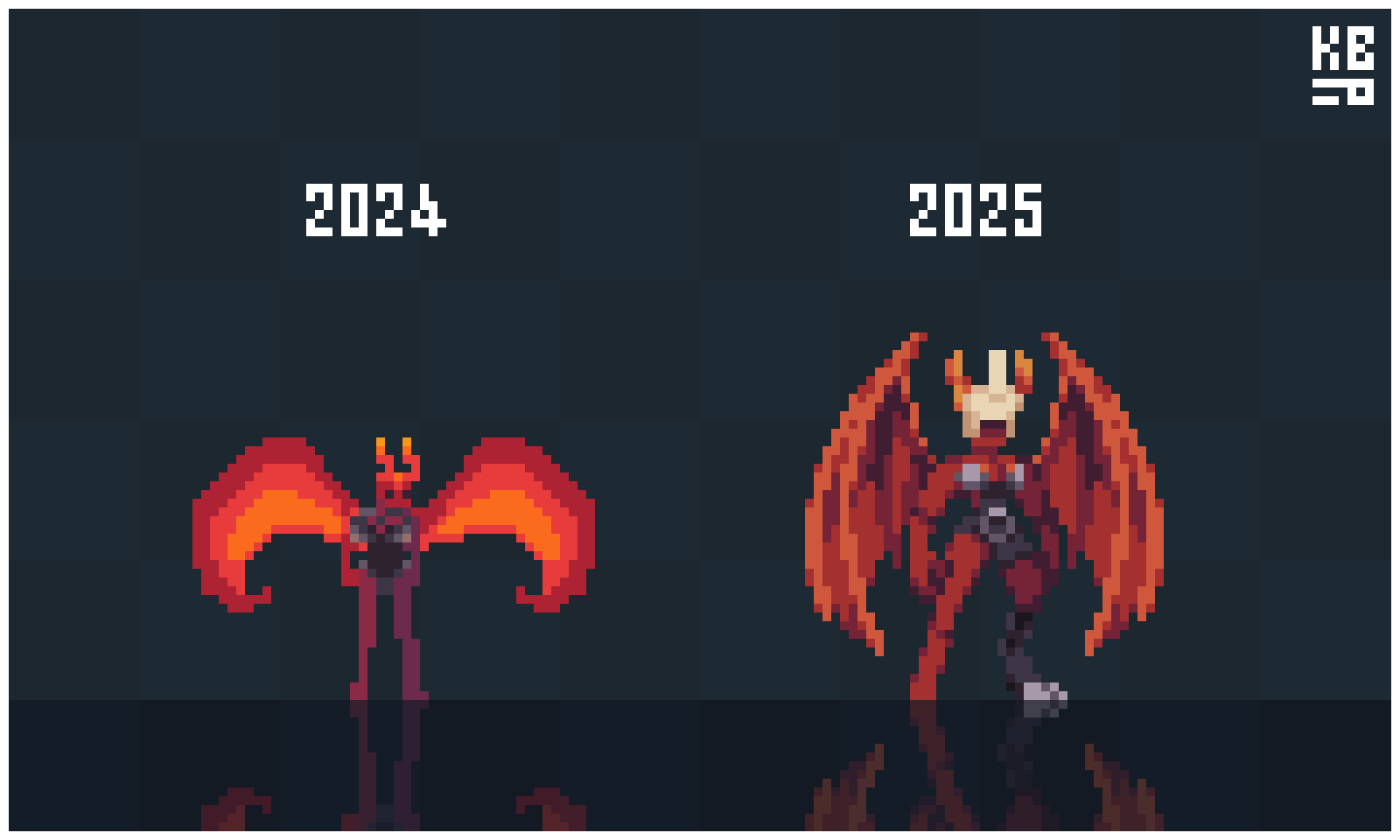
One artist I've been tracking decided to document their entire first year through daily practice. What started as simple character sketches evolved into detailed environments, animations, and eventually full game assets. The transformation isn't just technical — you can see their artistic voice developing.
This timelapse captures something magical about the daily practice approach. Each day builds on the last, and those tiny improvements compound into something remarkable. I love how you can literally watch someone discover their style in real-time.
Breaking Down the Technical Leaps
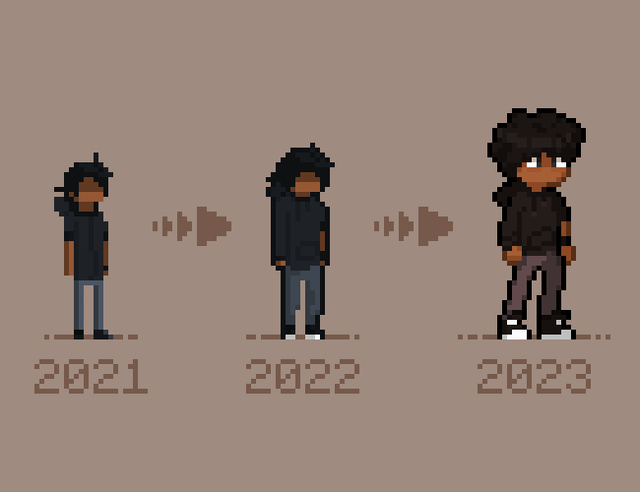
Looking at progression posts, there are usually three major breakthroughs that separate beginners from intermediate artists:
Month 1-3: Pixel Fundamentals
Those early pieces scream "I'm still learning the tools." Inconsistent pixel sizes, too many colors, and that telltale "I'm trying to paint with pixels" look. But watch closely — even here, you can see them starting to understand pixel clusters and basic shading.
Month 4-6: Color Theory Clicks
This is where things get interesting. The artist starts using limited palettes effectively, and their color choices become intentional rather than accidental. Dithering appears, sometimes overused, but they're experimenting with texture.
Month 7-12: Finding Their Voice
By this point, technical skills are solid enough that personality starts shining through. You see consistent character proportions, confident line work, and most importantly — a recognizable style emerging.
The Equipment Evolution Story
!r/PixelArt - [OC] My progress as a pixel artist
One thing I noticed in several year-long progressions is how the art tells a story beyond just skill development. Take this Reddit post where someone pointed out: "I like how this can be interpreted as both 1 year progress of your skills as a pixel artist and 1 year progress of the characters getting better equipment and more training."
That's brilliant storytelling through progression. The character literally levels up alongside the artist's skills — starting with basic gear and simple poses, then graduating to detailed armor, complex weapons, and dynamic action shots.
Tools and Techniques That Made the Difference
Most successful year-long journeys I've tracked involve artists who settled on their tools early and stuck with them. Whether it's Aseprite, Pyxel Edit, or even free alternatives like GIMP with pixel art plugins, consistency matters more than having the "perfect" setup.
The real game-changers usually happen around month 4-5 when artists discover:
- Proper anti-aliasing techniques for smooth curves
- Selective outlining instead of outlining everything
- Color ramping for more sophisticated shading
- Tile-based thinking for environments and patterns
Community Impact and Motivation
What struck me about following these year-long journeys is how much the community plays a role. Artists posting daily on Pixel Joint or sharing progress on Reddit get feedback that shapes their development.
The @PixelDailies challenge on Twitter has been a game-changer for many artists. Having a daily prompt removes the "what should I draw?" paralysis and keeps you practicing consistently. As one artist put it: "Once I embraced the process, it felt good, fun, and somewhat magical."
The Honest Struggles Nobody Talks About
Not every day is a breakthrough. Looking through year-long progressions, you can spot the rough patches — weeks where the art feels stagnant, experiments that didn't work out, or times when the artist clearly wanted to quit.
Months 3-4 seem particularly brutal. The initial excitement has worn off, but the major skill jumps haven't happened yet. I've seen artists push through by focusing on fundamentals during these plateaus — practicing basic shapes, color studies, or copying masters like Paul Robertson or Fool.
What Other Artists Can Learn
After analyzing dozens of these year-long journeys, a few patterns emerge for anyone starting their own pixel art adventure:
Start Simple, Stay Consistent
Don't try to create the next Hyper Light Drifter on day one. Focus on basic characters, simple animations, and building muscle memory.
Document Everything
Save your work, even the "bad" stuff. You'll want to look back and see how far you've come. Plus, the community loves progression posts.
Find Your Constraints
Whether it's a specific palette, canvas size, or subject matter, limitations breed creativity. Many successful artists pick a theme and stick with it for months.
Engage With the Community
Post your work, ask for feedback, and study what others are doing. The pixel art community is incredibly supportive, especially on platforms like Reddit and Discord servers.
The Year That Changes Everything
Watching someone's first year of pixel art unfold is like watching a time-lapse of artistic growth compressed into fast-forward. Those early wobbly sprites evolve into confident character designs, basic color blocks become sophisticated environmental pieces, and static images start moving with fluid animations.
What impresses me most isn't the technical improvement — though that's dramatic. It's watching someone discover their artistic voice through pixels. By month 12, you can usually identify their work in a lineup. That's when you know they've graduated from "learning pixel art" to "being a pixel artist."
The best part? This is just the beginning. Year two is when things get really interesting.
Pro tip: If you're starting your own pixel art journey, create a dedicated folder for your daily work and take a screenshot of your progress every month. Trust me, you'll want to make your own progression post someday.